

Hey there, clock enthusiasts! As a clock bezel supplier, I've had my fair share of encounters with all kinds of antique clock bezels. It's always exciting to dig into the history behind these beautiful pieces and figure out what makes them special. In this blog, I'm gonna share some tips on how to identify an antique clock bezel.
1. Look at the Material
The first thing you wanna check is the material. Different materials were popular during different time periods, so this can give you a big clue about the bezel's age.
- Wood: Wood was a common choice for clock bezels in the early days. If you see a bezel made of solid wood, like oak, walnut, or mahogany, it could be quite old. Look for signs of natural aging, such as patina (a sort of sheen that develops over time). The way the wood is cut and joined can also tell you a lot. For instance, old - fashioned dovetail joints are a sign of craftsmanship from earlier eras.
- Metal: Metals like brass, bronze, and silver were also widely used. Brass bezels were very popular in the 18th and 19th centuries. You can tell if a brass bezel is antique by checking for a rich, warm patina. New brass often has a shiny, almost yellow - gold look, while antique brass has a more muted, darker color with subtle variations. Silver bezels are rarer and were usually used for more high - end clocks. They tend to develop a lovely grayish - black patina over time.
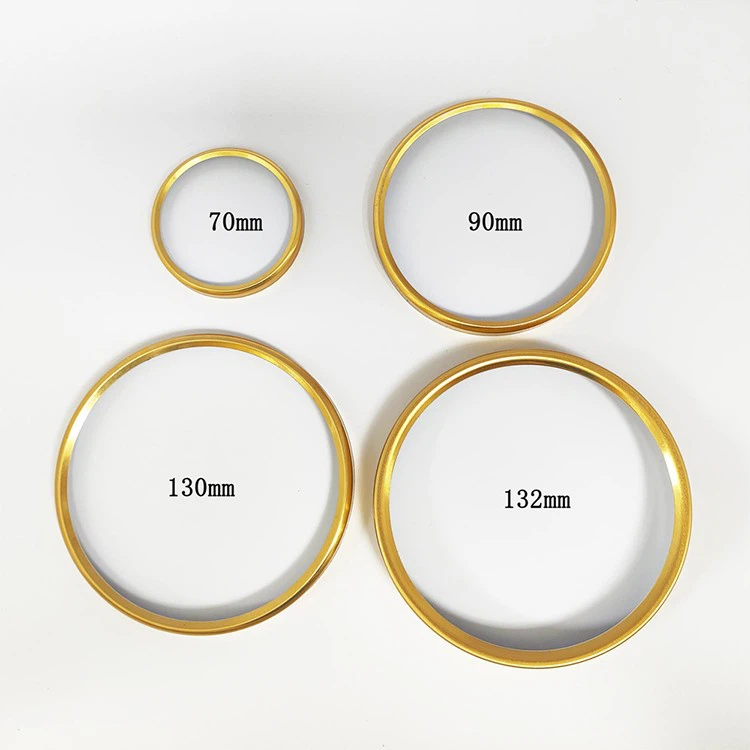
If you're interested in more modern metal bezels, we offer a great selection of Round Aluminium Bezel. Aluminium is a lightweight and durable option, and our round bezels come in various sizes and finishes.

2. Examine the Design
The design of the bezel can reveal a lot about its era.
- Ornamentation: Older clock bezels often have elaborate ornamentation. For example, in the Baroque and Rococo periods (17th - 18th centuries), you'd see a lot of curvy, flowing designs with intricate carvings or engravings. These could be floral motifs, scrolls, or mythological figures. In the Victorian era (19th century), the designs were more detailed and sometimes included elements of nature, like leaves and birds.
- Shape: The shape of the bezel can also be a giveaway. Round bezels have been around for a long time, but the way they're designed can vary. Some antique round bezels have a simple, clean look, while others have raised edges or decorative rims. Rectangular and square bezels also have their own design styles depending on the time period. For instance, early 20th - century rectangular bezels might have an Art Deco influence, with geometric shapes and bold lines.
We have some amazing Round Clock Bezels in our collection. They're designed to add a touch of style to any clock. The smooth finish and classic shape make them suitable for both antique and modern clocks.
3. Check the Marks and Labels
Many antique clock bezels have marks or labels on them that can provide valuable information.
- Maker's Mark: Some bezels were made by well - known clock makers or manufacturers. These makers would often stamp their name or logo on the bezel. If you can find a maker's mark, you can do some research to find out when the maker was active. This can narrow down the age of the bezel quite a bit. For example, if the mark is from a well - known 18th - century clockmaker, you know the bezel is likely to be from that era or earlier.
- Style Tags: Sometimes, there are tags indicating the style or period of the clock. For example, a tag might say "Art Nouveau" or "Victorian". These tags can be a quick way to identify the general style of the bezel, but you still need to double - check other factors to confirm its authenticity and age.
4. Evaluate the Condition
The condition of the bezel can also tell you something about its age and history.
- Wear and Tear: An antique bezel is likely to show some signs of wear and tear. Look for scratches, dents, or chips. These are normal signs of age and use. However, if the bezel is in extremely poor condition, it might be difficult to accurately assess its value and authenticity. On the other hand, if it looks too new and pristine, it could be a reproduction.
- Restoration: Some antique bezels have been restored. While restoration can sometimes enhance the appearance of the bezel, it can also affect its value. Look for signs of restoration, such as new paint or replacement parts. If the restoration has been done well, it might not be a big issue, but it's still important to know about it.
5. Consider the Size and Proportion
The size and proportion of the bezel in relation to the clock can also be a clue.
- Traditional Sizes: Over the years, certain sizes of clock bezels have been more common. For example, in the past, mantle clocks often had relatively small bezels compared to the size of the clock face. Grandfather clocks, on the other hand, had larger bezels that were designed to be more imposing. If the size of the bezel seems out of proportion for the type of clock, it could be a sign that it's not original or that it's a modern reproduction.
- Proportional Design: The way the bezel is proportioned in terms of width, height, and the relationship between different parts of the design can also indicate its age. Older designs often had more harmonious and balanced proportions, based on the design principles of their time.
We also offer Aluminium Large Clock Frames and Aluminium Small Clock Frames. These frames are made to fit different sizes of clock faces and can add a contemporary or classic touch depending on your preference.
6. Research the Origin
Knowing where the clock bezel came from can also help with identification.
- Regional Styles: Different regions had their own unique styles of clock bezel design. For example, French clock bezels from the 17th and 18th centuries were often very ornate and had a distinct elegance. German clock bezels, on the other hand, were sometimes more utilitarian but still had their own characteristic designs. If you can find out the origin of the bezel, you can compare it to known regional styles to get a better idea of its authenticity and age.
- Historical Context: Understanding the historical context of the region can also provide insights. For example, during times of war or economic hardship, the quality and design of clock bezels might have been affected. Researching the local history can help you understand why a particular bezel looks the way it does.
7. Seek Expert Opinion
If you're still not sure about the authenticity or age of an antique clock bezel, it's a good idea to seek the opinion of an expert.
- Antique Dealers: Experienced antique dealers have a lot of knowledge and can often spot an antique bezel at a glance. They can also give you an idea of its value. Just make sure to choose a reputable dealer who has experience with clock bezels.
- Appraisers: Professional appraisers are trained to evaluate the authenticity, age, and value of antiques. They can provide a detailed report that can be useful if you're planning to buy, sell, or insure the bezel.
Conclusion
Identifying an antique clock bezel can be a fun and rewarding process. By looking at the material, design, marks, condition, size, origin, and seeking expert advice, you can get a better understanding of these beautiful pieces of history.
If you're in the market for clock bezels, whether it's for an antique restoration project or a new clock build, we've got you covered. Our 70mm Round Aluminium Ring is a great option for those looking for a specific size. We offer high - quality clock bezels at competitive prices.
If you're interested in purchasing our clock bezels or have any questions about our products, feel free to reach out. We'd love to start a conversation about how we can meet your clock bezel needs. So, don't hesitate to drop us a line and let's get to work on your clock project!
References
- "The Encyclopedia of Clocks and Watches"
- "Antique Clock Collecting: A Comprehensive Guide"


