

In the contemporary era, environmental consciousness has permeated various industries, and the clock manufacturing sector is no exception. As a dedicated supplier of round clock bezels, I often find myself contemplating the recyclability of these essential clock components. This blog post aims to delve into the intricacies of recycling round clock bezels, exploring the materials used, the recycling processes involved, and the broader implications for sustainability in the clock industry.
Materials Used in Round Clock Bezels
Round clock bezels come in a variety of materials, each with its own unique properties and recyclability characteristics. The most common materials include plastic, metal (such as aluminum and brass), and wood.
Plastic Bezels
Plastic is a popular choice for clock bezels due to its affordability, lightweight nature, and versatility in design. However, not all plastics are created equal when it comes to recyclability. Some plastics, such as polyethylene terephthalate (PET) and high-density polyethylene (HDPE), are widely recycled and can be transformed into new products. On the other hand, other types of plastics, such as polyvinyl chloride (PVC) and polystyrene (PS), are more difficult to recycle and may end up in landfills.
When it comes to recycling plastic clock bezels, the first step is to identify the type of plastic used. This can usually be done by looking for the recycling symbol on the bezel, which indicates the plastic resin code. Once the plastic type is determined, it can be sorted and sent to a recycling facility that specializes in processing that particular type of plastic.
Metal Bezels
Metal clock bezels, particularly those made of aluminum and brass, are highly recyclable. Aluminum is one of the most recycled metals in the world, with a recycling rate of over 70%. Recycling aluminum requires only 5% of the energy needed to produce new aluminum from bauxite ore, making it an environmentally friendly choice.
Brass, an alloy of copper and zinc, is also recyclable. Recycling brass helps conserve natural resources and reduces the energy consumption associated with mining and refining new metals. Similar to aluminum, brass clock bezels can be melted down and reused to create new clock components or other metal products.
Wood Bezels
Wood is a renewable resource, and wooden clock bezels can be recycled or repurposed in several ways. One option is to reuse the bezel in a new clock or other woodworking project. If the bezel is no longer suitable for reuse, it can be chipped or shredded and used as mulch or biomass fuel. Additionally, some recycling facilities accept wood waste and process it into new wood products, such as particleboard or fiberboard.
Recycling Processes for Round Clock Bezels
The recycling process for round clock bezels varies depending on the material used. Here is a general overview of the recycling processes for plastic, metal, and wood bezels:
Plastic Recycling
- Collection: Plastic clock bezels are collected through various channels, such as recycling bins, curbside collection programs, or drop-off centers.
- Sorting: Once collected, the plastic bezels are sorted by type of plastic resin. This is typically done using automated sorting equipment that can identify the different plastic types based on their density, color, and other properties.
- Shredding: After sorting, the plastic bezels are shredded into small pieces to increase their surface area and make them easier to process.
- Washing: The shredded plastic pieces are then washed to remove any dirt, debris, or contaminants.
- Melting and Extrusion: The cleaned plastic pieces are melted and extruded into pellets or granules, which can be used to manufacture new plastic products.
Metal Recycling
- Collection: Metal clock bezels are collected through scrap metal recycling programs, which accept a variety of metal items, including clock components.
- Sorting: Once collected, the metal bezels are sorted by type of metal. This is typically done using magnetic separators, eddy current separators, and other sorting technologies.
- Shredding: After sorting, the metal bezels are shredded into small pieces to increase their surface area and make them easier to melt.
- Melting and Refining: The shredded metal pieces are melted in a furnace and refined to remove any impurities. The refined metal can then be cast into new shapes or used to manufacture new metal products.
Wood Recycling
- Collection: Wooden clock bezels can be collected through curbside collection programs, drop-off centers, or wood recycling facilities.
- Sorting: Once collected, the wooden bezels are sorted by type of wood and condition.
- Chipping or Shredding: If the bezel is no longer suitable for reuse, it can be chipped or shredded into small pieces.
- Processing: The chipped or shredded wood can be used as mulch, biomass fuel, or processed into new wood products, such as particleboard or fiberboard.
Benefits of Recycling Round Clock Bezels
Recycling round clock bezels offers several benefits, both for the environment and the clock industry. Here are some of the key benefits:
Environmental Benefits
- Conservation of Natural Resources: Recycling reduces the demand for virgin materials, such as bauxite ore, petroleum, and timber, which helps conserve natural resources and protect the environment.
- Energy Savings: Recycling requires less energy than producing new materials from scratch. For example, recycling aluminum saves up to 95% of the energy needed to produce new aluminum from bauxite ore.
- Reduction of Greenhouse Gas Emissions: Recycling helps reduce greenhouse gas emissions associated with the extraction, processing, and transportation of virgin materials. By recycling round clock bezels, we can contribute to the fight against climate change.
Economic Benefits
- Cost Savings: Recycling can be a cost-effective alternative to producing new materials. By using recycled materials, clock manufacturers can reduce their raw material costs and improve their bottom line.
- Job Creation: The recycling industry creates jobs in collection, sorting, processing, and manufacturing. By supporting recycling, we can help stimulate economic growth and create employment opportunities.
Social Benefits
- Community Engagement: Recycling programs encourage community engagement and raise awareness about environmental issues. By participating in recycling initiatives, consumers can feel good about making a positive impact on the environment.
- Sustainable Development: Recycling is an essential component of sustainable development, which aims to meet the needs of the present without compromising the ability of future generations to meet their own needs. By recycling round clock bezels, we can contribute to a more sustainable future for ourselves and for generations to come.
Our Product Offerings and the Role of Recycling
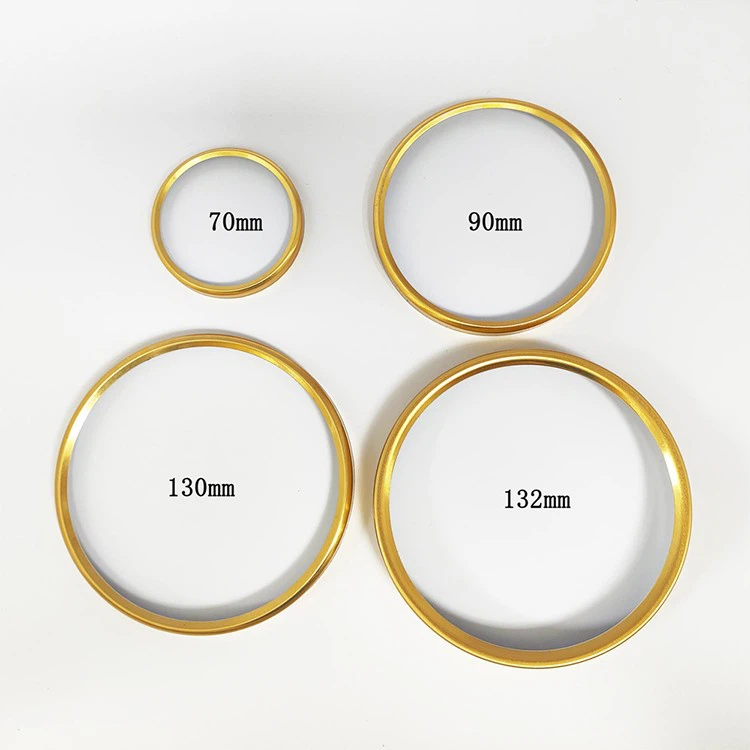
As a supplier of round clock bezels, we are committed to providing high-quality products while also promoting sustainability. Our product range includes 70mm Round Aluminium Ring, Aluminium Small Clock Frames, and Aluminium Large Clock Frames, all of which are made from recyclable aluminum.
By choosing our aluminum clock bezels, customers not only get a durable and stylish product but also contribute to the circular economy. We encourage our customers to recycle their old clock bezels at the end of their useful life, ensuring that the materials are reused and not wasted.
Conclusion and Call to Action
In conclusion, round clock bezels can indeed be recycled, and the recycling process offers numerous benefits for the environment, the economy, and society. As a supplier of round clock bezels, we are dedicated to promoting sustainability and encouraging our customers to make environmentally responsible choices.

If you are in the market for high-quality round clock bezels, we invite you to explore our product range. Whether you are a clock manufacturer, a DIY enthusiast, or a retailer, we have the right bezel to meet your needs. And remember, when you choose our products, you are not only getting a great product but also making a positive impact on the environment.
If you have any questions or would like to discuss your specific requirements, please feel free to reach out. We look forward to the opportunity to work with you and contribute to a more sustainable future.
References
- American Plastics Council. (2023). Plastic Recycling: A Primer.
- Institute of Scrap Recycling Industries. (2023). Metals Recycling Facts.
- Environmental Protection Agency. (2023). Wood Waste Management.


